Author: Scott Boren

Mexico Free Zone

What is the Mexico Free Zone?

What is the Mexico Free Zone?

You won’t need a Temporary Vehicle Importation Permit in the Senora or Mexico Free Zone

Mexico Free Zone

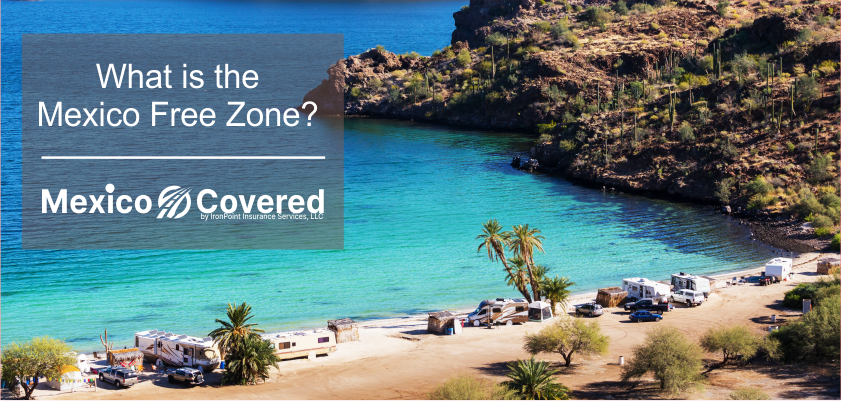
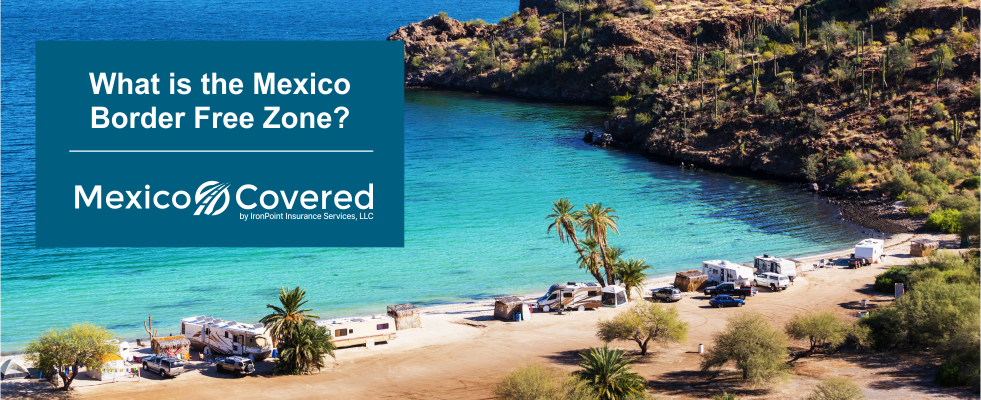
Some of the most popular tourist destinations in Mexico are located in Baja California and throughout Sonora. This is good news if you intend to drive into Mexico because these destinations are likely located in what is called the Mexico Free Zone or Hassle Free Zone. The Mexico Free Zone, in its simplest terms, is an area where you can take your US or Canadian-registered vehicle without getting a Temporary Importation Permit.

What is the Mexico Free Zone?

There are “Free Zones” throughout the world, and they are generally designed to bolster trade and tourism between border nations. Initially created as the “Zona Libre” in 1858, this area of Mexico has changed in size and regulation over the years. Today, for our purposes, we know it simply as the Mexico Free Zone or No-Hassel Zone.

Under the current version of the Free Zone, you are required to get a travel permit (FMM). However, you will not have to get a Temporary Vehicle Importation Permit (TIP). This is beneficial to travelers driving into Mexico, as it will save you some time and expense. Additionally, it saves hassle for those making last-minute arrangements or frequent visits to the Free Zone.

Prior to 2015, you were not required to have an FMM or TIP to travel in the Mexico Free Zone. Today, all visitors must secure an FMM to travel throughout Mexico. However, there are still two inland locations in Nogales and the Banjercito in Allende/Piedras Negras where you can get both your TIP and FMM. It’s highly recommended that you ALWAYS get your FMM at the border.

Where is the Mexico Free Zone?

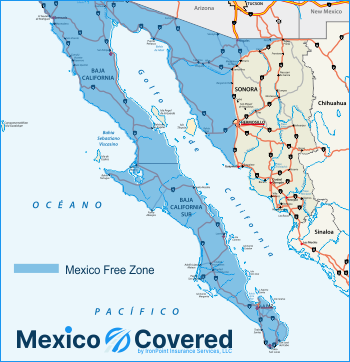
The free zone spans the entire 1954-mile US border for an area of approximately 12 miles (or 20 kilometers). It also includes the entire Baja peninsula and almost half of Sonora.

The Sonora portion of the free zone is essentially the area northwest of Mexico Federal Highway 2 and west of Mexican Federal Highway 15. Here are some of the popular cities located in the Mexico Free Zone:

  • Rosarito
  • Mexicali
  • Ensenada
  • Cabo San Lucas
Map of Mexico Free Zone including Baja Peninsula and parts of Sonora

Pro Tip:

Driving out of the Free Zone without a temporary vehicle importation permit is illegal. If you are caught, your vehicle can be impounded. Additionally, if you don’t have the proper immigration paperwork, you could be immediately taken to an immigration detention center and possibly deported. This could be costly. The impound fines alone could be equal to or more than your vehicle’s value.

What are the Free Zone Document Requirements?

When you are traveling in the Mexico Free Zone, you will still have documents and immigration requirements. The only thing that you are not required to get is the Temporary Importation Permit (TIP). Let’s quickly summarize what you will need to drive your car in the Free Zone:

1. Valid Passport

If you’re a foreign visitor to Mexico, you are required by law to have a valid passport or passport card. Alternatively, if you’re staying in Mexico as a temporary resident, you can provide your proof of legal residency. Original documents will be required if you are asked to provide travel documents to an authority. Make sure you bring originals with you at all times. You cannot provide a copy.

Pro-Tip:

If you are traveling with a passport card, this is only valid for land travel in the Mexico Free Zone. It is not for travel beyond the free zone and into the greater Mexican United States.

2. Forma Migratoria Múltiple (FMM) (AKA Tourist Permit)

This is another mandatory form. Each foreign traveler in Mexico has to have a Forma Migratoria Múltiple (FMM), and you must have it on you at all times. This applies to both the greater Mexican United States and the Free Zone. If you are planning to visit Mexico you can apply for an FMM online, you will need a valid passport or passport card.

3. Mexico Tourist Auto Insurance

If you intend to drive your US or Canadian-registered vehicle into Mexico, you must have valid Mexico Auto insurance. Mexico requires everyone to have proof of liability insurance provided by an authorized Mexican insurance carrier.

4. Valid Driver’s License

When driving your US or Canadian-registered vehicles in Mexico, you will also need to have a valid driver’s license. You must also have this with you at all times, especially when you intend to drive your vehicle.

5. Current & Valid Vehicle Registration

Generally, the Mexican authorities will not hassle you, however, they do frequently check registration and legal ownership of foreign-plated vehicles. They will be checking to see if the registration is current, that all the numbers match, and validate that you are the proper owner. If you don’t have current registration, your vehicle could be impounded.

6. Temporary Vehicle Importation Permit (Optional)

If you only intend to drive into the Mexico Free Zone, a TIP is not required. However, if there is even a remote chance you could drive outside the Free Zone, you should get a TIP.

This makes sense because you cannot purchase a TIP in the interior of Mexico.

You can apply for a TIP at the border in a Banjercito location. If you prepare in advance, you can  apply online. Note, that Banjercito is the official issuing agency for TIP and the only place to get your TIP.

The Bottom Line

If you have never driven your car into Mexico, but want to drive on your next trip. Selecting a destination in the Mexico Free Zone is a great way to enjoy a driving Mexico vacation. There is just a bit less hassle and tons of great locations to explore and fun to be had.

Buy Mexico Auto Insurance Online

Quote & Buy Mexico Auto Insurance Online

You can quote & buy Mexico Tourist Auto Insurance online. Offered through authorized +A Rated Mexican insurance carriers.

Quote & Buy Online

Call today and speak with a professional insurance agent.
1-877-222-3253

Follow Us!

Continue reading

Forma Migratoria Multiple

Will I Need a Forma Migratoria Múltiple to Drive Into Mexico?

Will I Need a Forma Migratoria Múltiple to Drive Into Mexico?

Yes! You will need a Forma Migratoria Múltiple (FMM) to drive into Mexico.

Forma Migratoria Multiple

When you’re driving through the border for the first time, things can be confusing. They may even be stressful. Frequently, there will be border agents waiving you through. Remember, just because you’re being waived on doesn’t mean you’re fully compliant to enter Mexico. When entering Mexico by land you will need to stop at immigration to get a Forma Migratoria Múltiple, also called an FMM.

I was told I don’t need a Forma Migratoria Múltiple

Some falsely believe that there are situations where you can enter Mexico by land without getting a Forma Migratoria Múltiple. Some of the common myths are:

  • I’m only going to Baja or Sanora
  • I’m staying less than seven days

Both of these myths are simply not true. Even though Baja and portions of Sanora are in the Mexico Free or Border Zone, they both still require you to get a Forma Migratoria Múltiple. Additionally, if you are only going to be in Mexico for less than seven days, you still need an FMM, granted yours will be free. 🙂

Bottom line, if you’re going to drive into Mexico, you’ll need to get a Forma Migratoria Múltiple.

Where are FMMs available?

You can only get an FMM at a port of entry. So, you will physically have to get your FMM as you enter Mexico. If your plans only call for you to be in Mexico for less than seven days, your FMM is free. But you still need to get an FMM. 

If your plans keep you in Baja or Sanora, what is referred to as the Hassel Free or Border Zone, then you will not be required to get a Temporary Importation Permit (TIP), but you will need to get an FMM. However, if you do continue into the Mexican mainland, you will be required to get a TIP.

What if I purchased my FMM online?

For those of you who like to arrive prepared, you can purchase your FMM online. However, even if you purchase online, you MUST STILL STOP AT AN IMMIGRATION OFFICE. For your Forma Migratoria Múltiple to be validated, it will require a stamp. You can only get the stamp in person. 

Pro Tip:

If you purchase your FMM online and go into the immigration office at a border crossing to get the validation stamp, make sure to bring your receipt and any online confirmation of purchase.

Are there any exceptions?

There are two exceptions to getting an FMM. If you’re a temporary Mexican resident and have your temporary resident’s card, or you’re a Mexican citizen. In both cases you will not need to get an FMM, however, if you have a resident’s card, you will still need to stop in immigration to get your passport stamped.

What to expect at the border

When you cross the border you’ll want to locate the area where it says “Something to Declare.” This will be immigration. If you are not certain, you can ask. If you don’t speak Spanish, but you feel bold, you can say:

¿Puede decirme dónde está inmigración, por favor?

The bottom line

When you drive into Mexico you want to make things as easy as possible for yourself. This means you should always get an FMM and eliminate issues that can create unnecessary delays in your trip.

Lastly, you’ll need to have  Mexico auto insurance with a reputable company. Remember, liability coverage from a Mexican insurer is a legal requirement in Mexico. MexicoCovered.com can help you get the best Mexican tourist auto insurance. If you’re ready to travel, get an online quote.

Buy Mexico Auto Insurance Online

Quote & Buy Mexico Auto Insurance Online

You can quote & buy Mexico Tourist Auto Insurance online. Offered through authorized +A Rated Mexican insurance carriers.

Quote & Buy Online

Call today and speak with a professional insurance agent.
1-877-222-3253

Follow Us!

Continue reading

Temporary Vehicle Importation Permit

What is a Mexican Temporary Vehicle Importation Permit?

What is a Mexican Temporary Vehicle Importation Permit?

Learn what a temporary vehicle importation permit is and why you need one.

Temporary Vehicle Importation Permit

Planning to drive your vehicle into Mexico? You’ll likely need a Temporary Vehicle Importation Permit (TIP). And yes—before you go, make sure you’ve got Mexico auto insurance in place. The permit lets you legally bring a foreign-plated vehicle into Mexico beyond certain zones; the insurance keeps you compliant and protected if something goes sideways.

Here’s the short version: a TIP is required for most U.S. and Canadian visitors (and Mexican citizens living abroad) when driving beyond the Free/Border Zone. Eligible travelers include those with FMM status (tourist card), Temporary Residents, Temporary Resident Students, and Mexican citizens residing abroad. You get it from one place only: Banjercito, Mexico’s official issuing authority.

How the TIP Works in the Free (Border) Zone

The Free Zone—sometimes called the Border Zone—lets you drive a foreign-plated vehicle without a TIP inside specific areas. In plain terms:

  • Up to ~25 km (about 15.5 miles) from the border generally counts as the Free Zone.
  • All of the Baja California Peninsula is a Free Zone—no TIP required there.
  • Quintana Roo (home to Cancun/Tulum) is also treated as a Free Zone for vehicles.
  • Sonora: There’s a special “Sonora Only” area west of Highway 15 and north of KM 98 where you can drive without a standard national TIP (separate rules apply to that permit).

Once you go beyond those areas, a TIP is required. You can apply online (10–60 days before your trip) or at certain border entry points. Standard vehicle TIPs (under 3.5 metric tons) are valid for up to 180 days for tourists on an FMM. RVs can qualify for a 10-year RV TIP. You generally can’t get a permit at interior checkpoints (one limited exception: the ferry terminal in La Paz with a valid FMM).

Get a TIP Online

Apply for Your Temporary Importation Permit

Visit Banjercito and apply online

Apply Online

Common Questions About the Temporary Importation Permit

What documents will I need to get a TIP?

Have these ready when you apply (online or in person):

  • Proof of citizenship (passport, passport card, or resident card)
  • For non-Mexican citizens: a valid Mexican immigration permit (e.g., FMM)
  • A valid U.S. or Canadian driver’s license
  • Vehicle registration/title in your name. If the vehicle is in a spouse’s name, bring the marriage certificate. Only the owner or their spouse can get a TIP.
  • Proof of Mexican auto insurance
  • Payment method for the fee and deposit (see below)

How much does a TIP cost?

There are two parts: a processing fee and a refundable deposit.

  • Processing fee: typically around US $45–$55 (plus IVA). Amounts can vary slightly by exchange rate and whether you buy online or at the border.
  • Refundable deposit: based on model year:
    • $400 USD — 2007 model year and newer
    • $300 USD — 2001–2006 model years
    • $200 USD — 2000 model year or older

You’ll get the deposit back when you cancel the TIP properly and on time, with no violations recorded.

Payment note: You can typically pay with cash at the border or a credit card that’s not issued by a Mexican bank/to a Mexican address. Exact payment options and fees are subject to change—Banjercito is the system of record.

What if my vehicle is leased, financed, or owned by my employer?

It’s common to drive a leased or company vehicle. Bring the extra paperwork:

  • Leased vehicles: the lease agreement and a notarized letter of permission from the leasing company.
  • Financed vehicles: the finance/purchase agreement and a notarized letter of permission from the lienholder/finance company/bank.
  • Company car: a notarized letter from your employer confirming your employment and authorization to temporarily import the vehicle.

Can I purchase a TIP online?

Yes. The fastest way is through the official Banjercito website. You’ll upload digital copies of your documents and pay online. Plan ahead:

  • Apply 10–60 days before your trip.
  • Your TIP will be delivered by email. Print the TIP and payment receipt and keep them with you when driving.
  • If you purchase your TIP online, buy your FMM online first—then stop at the border to get the immigration stamp validating it.

Are there other ways to buy a TIP?

You can purchase at Banjercito modules located at many border crossings, and some Mexican Consulates in the U.S. also process TIPs (availability can change; check before you go). Consulates that have offered TIP services include:

  • Arizona: Phoenix
  • California: Los Angeles, San Bernardino, Sacramento
  • Colorado: Denver
  • Illinois: Chicago
  • New Mexico: Albuquerque
  • Texas: Austin, Dallas, Houston

As with the online process, you’ll receive receipts and a copy of your TIP (and typically an emailed copy). Keep a printed copy with you at all times while driving in Mexico.

How do I cancel a TIP and get my deposit back?

Cancel (surrender) your TIP when you leave Mexico—generally at a Banjercito TIP return location near the border. If you don’t cancel properly, you can lose your deposit and may be blocked from getting another TIP later.

Important reminders:

  • Do not try to cancel at an interior checkpoint.
  • You cannot cancel a TIP online—do it in person at the border.

What happens if police verify my TIP?

Officers can confirm your permit via QR code or system lookup. If you’re somewhere remote without cell service, your printed TIP and receipts serve as backup verification.

How does TIP validity work?

For tourists on an FMM, a vehicle TIP generally lasts up to 180 days. For those entering under Temporary Resident status, the TIP aligns with your immigration status (and must be kept current). Always carry your TIP while driving.

Can I make multiple entries with one TIP?

Yes. As long as your permit is valid and you follow its conditions, a TIP allows multiple entries during the permitted period.

Can family members use my vehicle?

Family members can drive if they’re legally permitted and properly identified. Make sure anyone who will drive is covered under your Mexico tourist auto insurance policy terms, and that you carry valid IDs and your TIP paperwork in the vehicle.

The Bottom Line

If you’re driving beyond the Free Zone, you’ll need a TIP—and you’ll absolutely need Mexico auto insurance. Apply for your permit through Banjercito, keep your paperwork printed, and cancel the TIP properly at the border on your way out to recover your deposit and stay eligible for future permits.

Ready to roll?

Buy Mexico Auto Insurance Online

Quote & Buy Mexico Auto Insurance Online

You can quote & buy Mexico Tourist Auto Insurance online. Offered through authorized +A Rated Mexican insurance carriers.

Quote & Buy Online

Call today and speak with a professional insurance agent.
1-877-222-3253

Follow Us!

Continue reading

Tips For Driving in Mexico

Tips for Driving in Mexico: What You Need to Know Before You Hit the Road

Tips for Driving in Mexico: What You Need to Know Before You Hit the Road

Before driving in Mexico, make sure you fully understand the laws, customs, and regulations

Drive To Mexico

Driving in Mexico can be an exciting experience, but it also requires preparation. Whether you’re planning a Baja road trip across the border or a long journey through the country, understanding the rules, road conditions, and local driving customs will help ensure a smooth and safe ride.

From proper documentation and the right Mexico auto insurance to handling road hazards, this post will walk you through the essentials of driving in Mexico.

Bring the Right Documentation

One of the most important things to do before driving in Mexico is to ensure you have all the necessary paperwork. At a minimum, you’ll need:

  • A valid driver’s license – U.S. and Canadian licenses are accepted.
  • Mexico auto insurance – Your U.S. or Canadian policy won’t cover you in Mexico, so you’ll need a separate policy. Learn more about how much Mexico tourist auto insurance costs and what coverage you might need.
  • Vehicle registration – Proof that you own the car is required. If you’re driving a leased or financed vehicle, you’ll need to know the rules for driving a financed vehicle into Mexico. for additional requirements.
  • Passport or visa – A valid passport is required, and depending on how far you travel, you may need a Forma Migratoria Múltiple (FMM).
  • Temporary Import Permit (TIP)—For non–Mexican vehicles, a TIP is required if you plan to drive outside the Mexico Free Zone.

Failing to carry the proper documentation can result in fines, delays, or even having your vehicle impounded. Be sure to check official government websites or consult with the Mexican consulate before you travel.

Understand the Roads and Driving Conditions

Driving in Mexico can feel different from what you’re used to, particularly in busy cities or on rural roads. Here are a few key points to keep in mind:

  • Road Quality Varies – Major highways (“cuotas”) are well-maintained toll roads, while free roads (“libres”) can have potholes and less signage. If you plan an adventure, like a Baja Mexico road trip, research road conditions in advance.
  • Speed Limits Differ – In general:
    • Highways: 80–100 km/h (50–62 mph)
    • City streets: 20–70 km/h (12–43 mph)
    • Residential areas: Often as low as 10 km/h (6 mph)
  • Watch for Speed Bumps (Topes) – These are often unmarked and can be found in unexpected places. Some topes are painted, while others blend into the road, so stay alert to avoid damage to your car.

Stay Safe on the Road

While Mexico is a great place to explore by car, safety should always be a priority. Here are some essential precautions:

  • Avoid Night Driving – Many highways lack proper lighting, and livestock or pedestrians may be on the road.
  • Use Toll Roads When Possible – Though they cost more, cuotas are safer, faster, and generally better maintained than free roads.
  • Be Aware of Local Traffic Laws – Some rules differ from what you’re used to, so familiarize yourself with common regulations.
  • Know What to Do in Case of an Accident – If you’re involved in a crash, you should be prepared for what to do after a car accident in Mexico.
  • Call the Green Angels for AssistanceMexico’s free roadside assistance service, the Green Angels, provides help for mechanical breakdowns, accidents, and even minor emergencies. If your car breaks down, dial 078 for help.

City Driving vs. Rural Roads

Navigating urban areas like Mexico City or Guadalajara can be overwhelming due to heavy traffic and aggressive drivers. Here’s how to handle different driving environments:

  • City Driving: Be patient and avoid rush hours (typically 7–9 AM and 5–7 PM). Traffic signals aren’t always followed strictly, so stay alert at intersections.
  • Rural Roads: These can be poorly marked, and signage might be limited. Keep an eye out for stray animals, cyclists, and unexpected potholes.

If you’re driving long distances, consider reading about clearing customs and returning to the United States to ensure a smooth trip back.

Drinking and Driving is Not Worth the Risk

Mexico has strict laws regarding drinking and driving, and enforcement is increasing. Police often conduct roadside sobriety checks, particularly in tourist-heavy areas. The legal limit varies by state, but it’s generally lower than in the U.S. or Canada.

If you’re planning a night out, consider using a taxi, rideshare service, or designated driver. The consequences of a DUI in Mexico can be severe, leading to hefty fines, jail time, and even vehicle impoundment.

The Bottom Line

Driving in Mexico can be a rewarding experience, but preparation is key. Ensure you have the correct documents, stay informed about local laws, and take safety precautions. Whether you’re embarking on an RV journey, planning a scenic coastal drive, or heading deep into the countryside, understanding the ins and outs of driving in Mexico will help make your trip enjoyable and stress-free.

If you’re shopping for Mexico auto insurance, you should know how to choose the best Mexico auto insurance policy and understand typical Mexico tourist auto insurance exclusions before buying. If you need additional support, you can contact us, or get a quote online.

Buy Mexico Auto Insurance Online

Quote & Buy Mexico Auto Insurance Online

You can quote & buy Mexico Tourist Auto Insurance online. Offered through authorized +A Rated Mexican insurance carriers.

Quote & Buy Online

Call today and speak with a professional insurance agent.
1-877-222-3253

Follow Us!

Continue reading

Need To Drive in Mexico

What You Need to Drive to Mexico

Drive to Mexico: Essential Documentation and Tips

Before you drive to Mexico, make sure you have the proper documentation

Drive To Mexico

Thinking about making the drive to Mexico? Good for you. While your friends are boarding overpriced flights and dealing with TSA theater, you’ll be cruising across the border with complete freedom to explore at your own pace. But here’s the thing nobody tells you: the romantic notion of spontaneously driving to Mexico will crash into reality faster than a tourist hitting a tope without proper paperwork.

Let’s cut through the travel blog fluff and get you properly prepared for your drive to Mexico. Because nothing ruins a road trip quite like being turned away at the border—or worse, having your car impounded because you skipped the “boring” documentation stuff.

What You Can’t Bring (And Why Border Guards Aren’t Kidding)

Before you drive to Mexico, here’s your reality check: Mexico doesn’t mess around with prohibited and restricted items. While Americans argue about airport security theater, Mexico has actual consequences for bringing the wrong stuff across its border.

That pocket knife you never think about? If the blade’s over four inches, it’s contraband. Your hunting rifle? Forget about it—firearms and ammunition are strictly prohibited. Even certain foods, plants, and animal products need special permits. The Mexican customs agents aren’t interested in your explanations or your “I didn’t know” defense.

Pro tip: Do your homework before you drive to Mexico, not while you’re explaining to a stone-faced border official why you thought the rules didn’t apply to you.

Your Driver’s License: The Obvious Essential Everyone Forgets

Here’s something that’ll blow your mind: you actually need a valid driver’s license to drive to Mexico. Revolutionary concept, right?

Both U.S. and Canadian licenses work perfectly fine on Mexican roads. But here’s where people get sloppy—you need to carry it with you at all times. Not a photo on your phone. Not “it’s back at the hotel.” The actual plastic card in your actual wallet.

Your auto insurance company will also want to see this little rectangle when you’re buying Mexico coverage. Amazing how that works.

Proper ID: Because Mexico Actually Checks

When you drive to Mexico, you’ll need more than your winning personality to cross the border. A valid passport is non-negotiable. Passport card or green card? Those work too, but let’s be honest—if you’re planning to drive to Mexico and don’t have a passport in 2025, what exactly have you been doing with your life?

For the most current requirements (because governments love changing rules), check the Embassy of Mexico or call them at (202) 736-1000. Revolutionary idea: getting information from official sources.

Reality Check: Getting Back Into the U.S.

Here’s something most people don’t think about until it’s too late: re-entry back into the U.S. requires the same documentation. No passport? No problem—you’ll just be stuck in Mexico indefinitely. The passport application process takes 1-4 months (sometimes longer), so maybe don’t wait until the week before your trip to figure this out. For expedited processing info and fees that’ll make you wince, visit www.travel.state.gov.

Mexican Visa: Probably Not, But Here’s the Deal

Good news for most people planning to drive to Mexico: if you’re a U.S. or Canadian citizen staying less than 180 days, you don’t need a visa. This covers the usual suspects:

  • Tourism
  • Business
  • Journalism
  • Academic studies

Planning to stay longer than six months? Then yes, you’ll need a tourist visa. But let’s be honest—if you’re driving to Mexico for more than six months, visa paperwork is probably the least of your planning concerns.

The FMM: Mexico’s Way of Keeping Track of You

Every single person who crosses into Mexico needs a Forma Migratoria Múltiple (FMM)—Mexico’s tourist permit. Think of it as Mexico’s way of saying, “We know you’re here, and we’ll know when you leave.”

The FMM isn’t optional paperwork you can ignore. Mexican authorities conduct random checks, especially in the interior. No FMM? Enjoy explaining that to officials who aren’t particularly interested in your excuses.

Here’s how the money works: stays under seven days are free. Longer visits cost $32 USD or about $638 pesos. You can get your FMM at the border when you drive to Mexico, or handle it online beforehand (because who doesn’t love standing in lines at border crossings?).

Why do you actually want this piece of paper?

  • Your Mexican insurance claims might get denied without it
  • U.S. re-entry could turn into a bureaucratic nightmare
  • Emergency flights home require it

Mexico Auto Insurance: The One Thing You Absolutely Cannot Skip

Here’s where I stop being sarcastic and get serious. When you drive to Mexico, Mexico auto insurance isn’t a nice-to-have—it’s legally required. Your U.S. or Canadian policy? Worthless in Mexico. That “Mexico endorsement” your agent sold you? It’s probably useless beyond the border zone.

Even the U.S. State Department—not exactly known for dramatic overstatements—strongly recommends comprehensive Mexico auto insurance with liability, collision, and legal expense coverage. When government bureaucrats are telling you to buy insurance, maybe listen.

Here’s the non-negotiable rule: only buy from financially secure, A-rated Mexican insurers. This isn’t the time to save $20 and potentially lose your car and your freedom.

Mexico Covered makes this painless. Quote and buy online from A-rated providers in minutes. Every policy includes travel assistance, bail bonds, medical coverage, and legal protection, because the Mexican legal system isn’t exactly user-friendly for confused tourists.

Vehicle Import Permit: Your Car’s Passport

Want to drive to Mexico without hassles, fines, or having your car confiscated? Get a Temporary Vehicle Importation Permit (TIP). This isn’t a suggestion—it’s how you avoid becoming a cautionary tale.

The only exception is if you’re staying in Mexico’s “free zone“—basically, the Baja Peninsula and most of Sonora. Everywhere else requires the TIP, unless you enjoy expensive complications.

The permit costs about $51 at the border ($46 online—because Mexico rewards advance planning). You’ll also pay a refundable deposit that gets returned when you properly cancel the permit at Banjercito offices before it expires.

Smart move: Apply online through Banjercito’s website before you leave. Because border lines are exactly as fun as they sound.

Frequently Asked Questions

Do I need a passport to drive to Mexico?

Yes, you need a valid passport to drive to Mexico. A passport card or green card also works, but a passport is your best option for crossing the border and returning to the U.S.

Is my U.S. car insurance valid in Mexico?

No, your U.S. or Canadian auto insurance is not considered legal liability coverage in Mexico. You must purchase Mexico tourist auto insurance from a Mexican-licensed insurer before you drive to Mexico.

How much does it cost to get a vehicle permit for Mexico?

The Temporary Vehicle Importation Permit (TIP) costs approximately $51 if purchased at the border, or $46 if bought online. You’ll also pay a refundable deposit that’s returned when you properly cancel the permit.

Can I drive to Mexico without a TIP in Baja?

Yes, you can drive in Mexico’s “free zone” (Baja Peninsula and most of Sonora) without a TIP. However, if you plan to drive anywhere else in Mexico, the Temporary Vehicle Importation Permit is required.

How long can I stay in Mexico without a visa?

U.S. and Canadian citizens can stay in Mexico for up to 180 days without a visa for tourism, business, journalism, or academic purposes. You’ll still need an FMM (tourist permit) regardless of how long you stay.

The Bottom Line on Your Drive to Mexico

Drive to Mexico prepared, or don’t drive to Mexico at all. The romance of spontaneous road trips crashes hard against Mexican bureaucracy and law enforcement that doesn’t care about your vacation timeline.

Get your paperwork sorted, buy proper insurance, and follow the rules. Mexico is an incredible destination for road trips—but only if you do the homework first. Your future self, sitting on a beach with a cold cerveza instead of explaining yourself to authorities, will thank you.

Buy Mexico Auto Insurance Online

Quote & Buy Mexico Auto Insurance Online

You can quote & buy Mexico Tourist Auto Insurance online. Offered through authorized +A Rated Mexican insurance carriers.

Quote & Buy Online

Call today and speak with a professional insurance agent.
1-877-222-3253

Follow Us!

Continue reading